

If you’ve ever stepped inside a commercial greenhouse or aquaponics facility, you know the vibe: warm, humid, lush with greenery—and absolutely buzzing with life. The problem? Not all that life is welcome.
Flies, gnats, and mosquitoes love indoor farms just as much as your leafy greens do. And if you’re running an organic operation or trying to keep things pesticide-free, you can’t just reach for the spray bottle. So what do you do?
That’s where electric fly control comes in. More and more indoor farms are ditching chemical solutions and switching to commercial-grade bug zappers to keep pests out of their produce—and their certifications intact. Let’s get into why.
The Indoor Farming Pest Problem (It’s Real)
Here’s the thing about controlled environment agriculture: you’ve basically built paradise. Temperatures sit at a cozy 65–80°F year-round. Humidity stays elevated. There’s water, organic matter, and plenty of light. Great for tomatoes. Also great for flies.
Traditional farmers might spray their way out of this problem. But if you’re growing organic—or marketing yourself as pesticide-free—that’s not an option. The same conditions that make your operation thrive also make pest control way more complicated.
You need something that works without chemicals. Something that won’t mess with your organic status, contaminate your crops, or (if you’re running aquaponics) kill your fish.
Enter the bug zapper.
Why Chemical-Free Matters in Indoor Agriculture
The demand for organic and pesticide-free produce isn’t going anywhere. If anything, it’s accelerating. Consumers want clean food, and they’re willing to pay for it. For indoor farms, that’s the opportunity—but it also means every pest control decision has to align with those values.
Organic Certification Is Non-Negotiable
USDA organic certification doesn’t allow synthetic pesticides. Period. Every product you use, every method you employ—it all has to meet National Organic Program standards. Electric bug zappers check that box easily. No chemicals, no residue, no risk to your certification.
Aquaponics Operations Have It Even Harder
If you’re combining fish farming with hydroponics, your pest control options shrink even further. A lot of “plant-safe” treatments will absolutely wreck your fish. And once your water chemistry is off, the whole system suffers.
Bug zappers operate completely independently from your growing system. They attract and eliminate flying insects without introducing anything into the air or water that could harm fish, beneficial bacteria, or the delicate balance you’ve worked so hard to maintain.
Food Safety Audits Love Documentation
Whether you’re going for SQF, GFSI, or just trying to stay ahead of FDA requirements, auditors want to see a real pest management program. Not “we hope for the best.” Bug zappers give you something measurable, documentable, and easy to explain. No chemical logs to maintain. No application schedules to track. Just clean, consistent pest control.
How Bug Zappers Actually Work in a Farm Setting
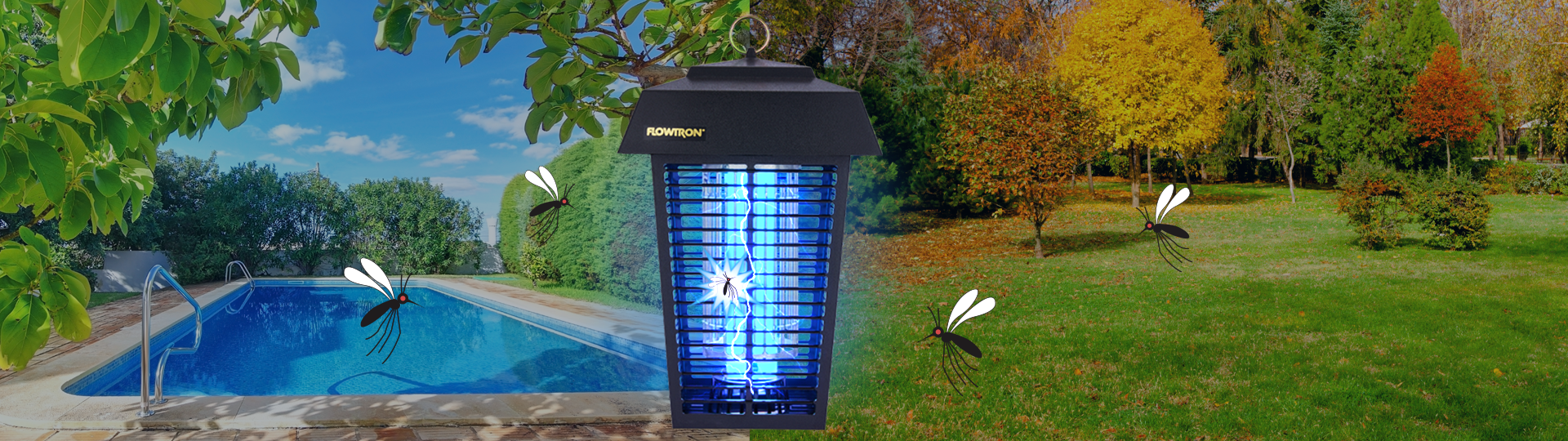
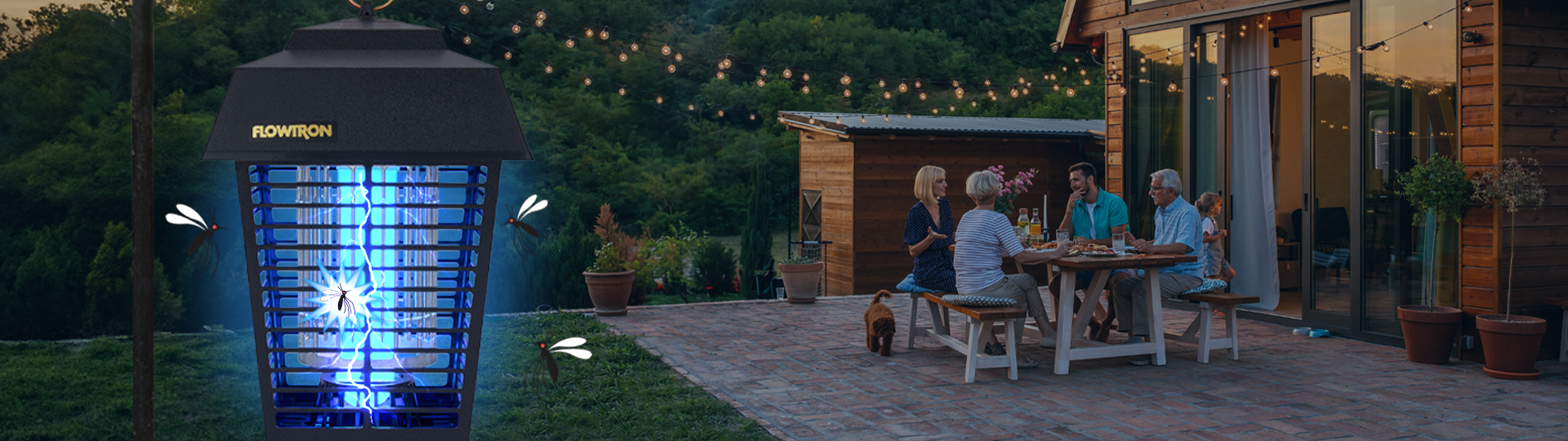
The concept is simple: UV light attracts flying insects, and an electrified grid takes care of the rest. But for indoor farms, you need units that can handle the scale and the environment. Here’s what to look for.
Match the Coverage to Your Space
Indoor farms come in all sizes—from modest greenhouse operations to massive warehouse-scale vertical farms. Your pest control needs to match.
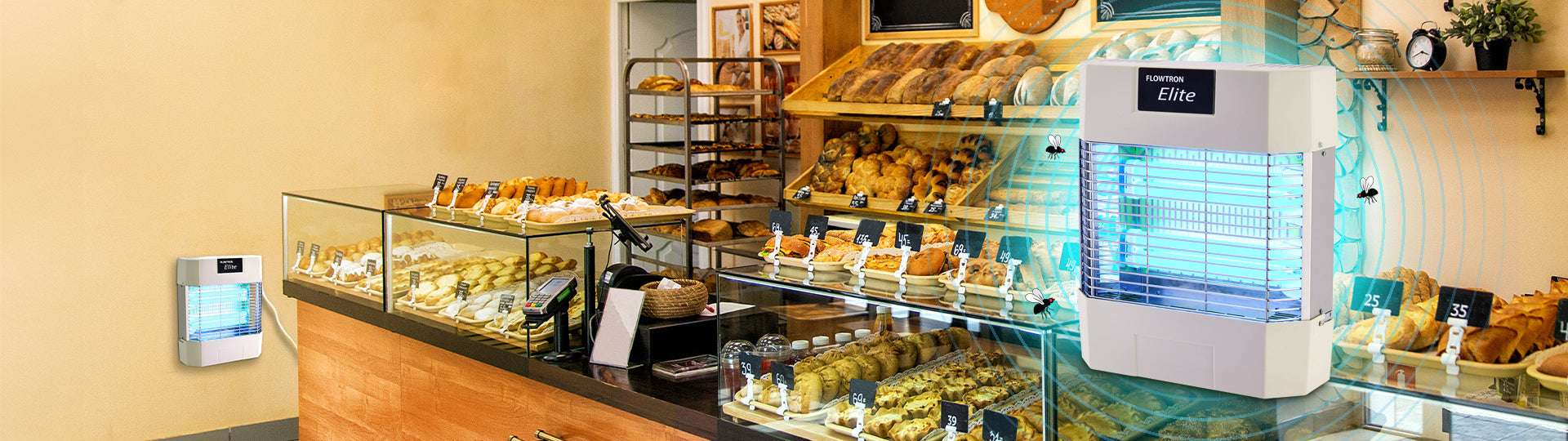
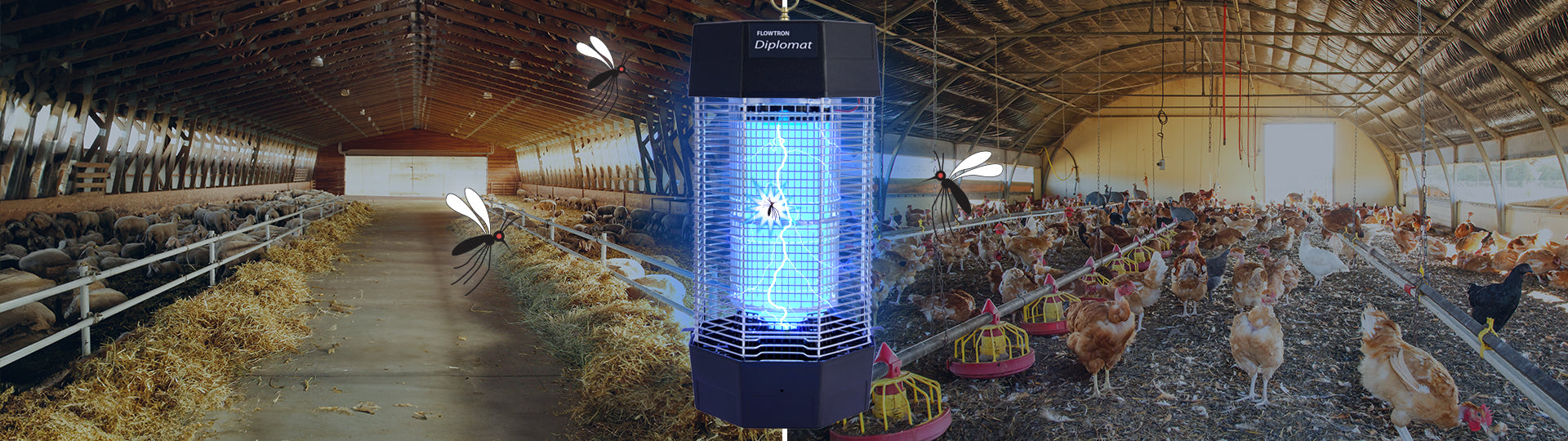
For smaller spaces like growing rooms, packaging areas, or entry points, an Indoor Bug Zapper does the job efficiently without taking up much space. Got a larger facility? A commercial 80W fly killer covers up to 1,200 square feet, while 120W commercial units can handle up to 2,000 square feet.
Placement Makes All the Difference
Where you put your bug zappers matters just as much as which ones you buy. Focus on:
• Entry points – Loading docks, personnel doors, ventilation intakes. This is where bugs get in.
• Processing and packaging areas – Your produce is most vulnerable here.
• Perimeter defense – Create a protective ring around your actual growing zones.
• Away from grow lights – UV attractants work best when they’re not competing with your lighting setup.
Some Facilities Need Indoor/Outdoor Flexibility
If your operation includes outdoor loading areas, covered growing spaces, or hybrid setups, consider indoor/outdoor units that can handle both environments. One less thing to worry about when your facility spans multiple zones.
The Money Side: Electric vs. Chemical Pest Control
Beyond the certification and safety arguments, there’s a straightforward financial case here too.
One-Time Investment vs. Never-Ending Costs
Chemical pest control is a recurring expense: buying products, paying for application labor, documenting everything for compliance, and sometimes running residue tests. It adds up.
Bug zappers? You buy them once. After that, your ongoing costs are basically replacement UV bulbs and a negligible amount of electricity. The math works out pretty quickly.
Risk Mitigation Is Real Money
Think about what a failed food safety audit costs. Or losing your organic certification. Or—worst case—a product recall because of pesticide contamination. Any of those scenarios can tank an indoor farming operation financially and reputationally.
With electric fly control, there’s nothing chemical to contaminate anything. The risk just isn’t there.
Getting Started: A Practical Rollout Plan
Ready to make the switch? Here’s how to approach it without overcomplicating things.
Step 1: Figure out your square footage. Don’t just measure the growing areas—include break rooms, storage, corridors, anywhere flies might congregate. They’re not picky about boundaries.
Step 2: Identify your high-risk zones. Entry points, processing areas, anywhere organic matter accumulates. These spots need priority coverage and potentially higher-capacity units.
Step 3: Match units to spaces. Critical areas get commercial-grade units. Smaller support spaces can work with standard indoor fly killers. Don’t over-spec where you don’t need to.
Step 4: Document everything. Unit locations, maintenance schedules, bulb replacement dates. This paperwork supports your organic certification audits and food safety inspections down the road.
Frequently Asked Questions
Are bug zappers safe to use around food production?
Yes. Commercial bug zappers designed for food processing environments are totally safe around food production. No chemicals, no residue, and they provide effective, chemical-free pest control. A lot of facilities put them right near packaging stations for exactly that reason.
Will bug zappers mess with my organic certification?
Nope. Electric fly control is a chemical-free option that works well for organic operations—no synthetic chemicals, no prohibited substances. Check with your certifier if you want to be sure, but bug zappers are widely accepted.
Can I use bug zappers in an aquaponics system?
Absolutely. This is actually one of the best use cases. Bug zappers eliminate flying pests without introducing anything into your water or air that could harm fish, disrupt your bacterial balance, or mess with water quality. Unlike chemical treatments (which can be lethal to aquatic life), electric fly killers operate completely independently.
How often do the bulbs need replacing?
Plan on replacing UV bulbs annually, even if they still look like they’re working. UV output drops over time, so effectiveness decreases even when the visible light stays on. If you’re running year-round, schedule replacements during slower production periods.
What size unit do I need for a commercial greenhouse?
General rule of thumb: one 80W commercial unit per 1,000–1,200 square feet in high-pest areas, or one 120W unit per 2,000 square feet in moderate zones. Most facilities do better with multiple units positioned strategically than one big unit in the corner.
Do bug zappers work on fungus gnats?
They help reduce adult populations, but fungus gnats breed in growing media, so zappers alone won’t solve the problem completely. Best approach: combine electric fly control with proper moisture management and biological controls like beneficial nematodes.
The Bottom Line
Indoor farming is only getting bigger, and pest management has to evolve with it. The shift toward electric fly control reflects what’s happening across sustainable agriculture: finding solutions that work with natural systems, leave no chemical footprint, and support the premium market positioning that indoor farms depend on.
For operations serious about organic production, food safety compliance, or just doing things the right way—bug zappers aren’t just pest control. They’re a business decision that protects your certification, your reputation, and your peace of mind.
Ready to upgrade? Explore our commercial-grade indoor fly killers built for demanding agricultural environments, or reach out to our wholesale team to talk through solutions for your specific operation. We’ve been at this since 1974—we’re happy to help.