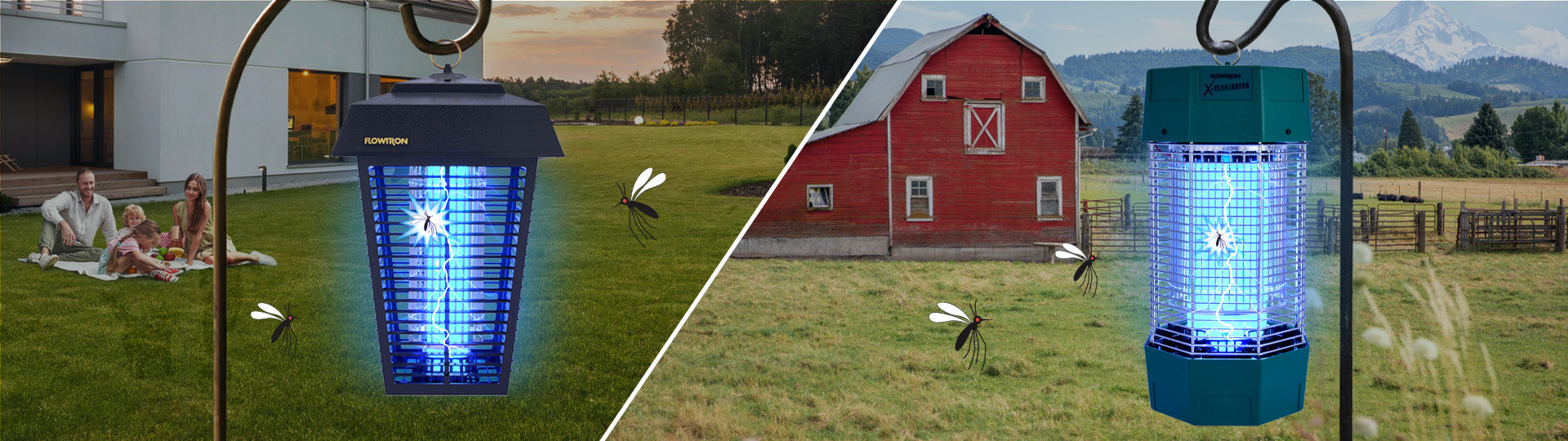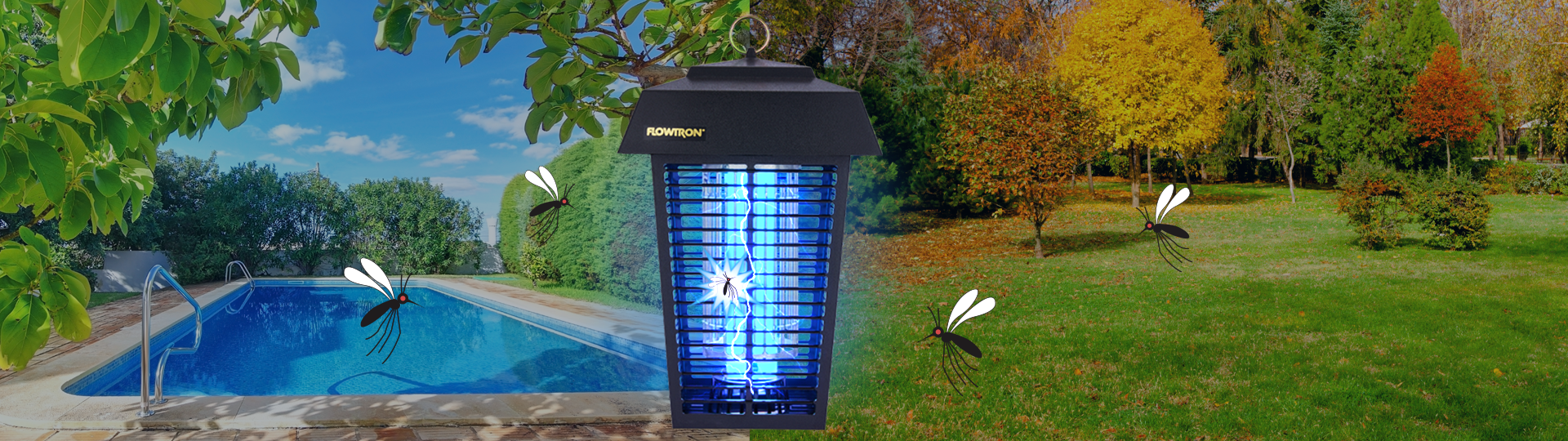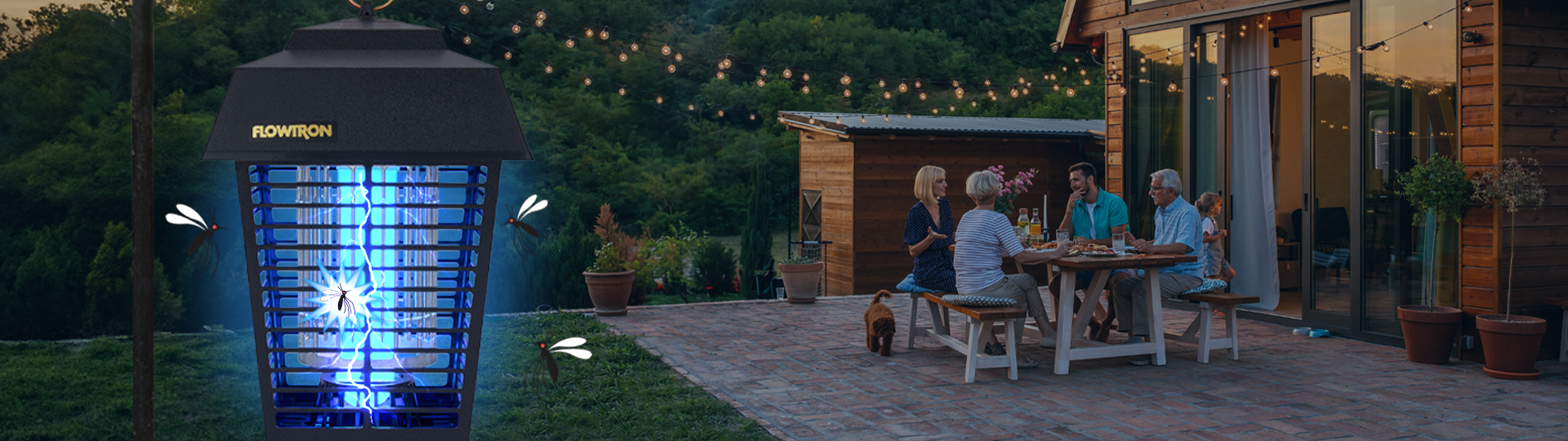


Spring is finally here. The patio furniture is out, the grill is fired up, and your backyard is calling. Then you hear it: that familiar high-pitched whine, and suddenly every plan you had moves inside.
Mosquitoes don't care about your plans. Once temperatures climb past 50 degrees, they're back and breeding fast. But with a little prep work done early in the season, you can keep them from taking over your yard and get back to enjoying the evenings you've been waiting all winter for.
Why Are Mosquitoes So Bad in Spring?
Mosquitoes spend winter as dormant eggs or adults tucked away in leaf litter and soil. When temperatures rise and spring rains arrive, those eggs hatch quickly. A female mosquito can lay up to 300 eggs at a time, and she only needs about a bottle cap's worth of standing water to do it.
By the time you're setting up for your first backyard cookout, there's already a good chance a new generation has hatched in your gutters, a flowerpot saucer, or a low spot in the lawn where rainwater pools.
Getting ahead of the problem in early spring, before populations build up, is far more effective than trying to knock back an established swarm mid-summer.
Step 1: Cut Off Their Breeding Ground
Mosquitoes need standing water to breed, and they don't need much of it. A walk around your property at the start of spring can make a real dent in how many mosquitoes you deal with all season.
Look for and address the following:
- Clogged gutters holding rainwater
- Birdbaths (tip and refill every 2 to 3 days to break the breeding cycle)
- Flowerpot saucers and trays
- Tarps, wheelbarrows, or buckets left upright and open
- Low spots in the lawn where water sits after rain
- Kids' toys, sandbox lids, or any container that collects even a small amount of water
Clearing these spots consistently is one of the most effective things you can do. It removes the problem at its source, before mosquitoes ever have a chance to multiply.
Step 2: Set Up a Bug Zapper for Continuous Protection
Source control helps a lot, but mosquitoes travel. They'll come in from neighboring properties, wooded areas, and drainage ditches, especially in the hours around dusk when they feed most aggressively. That's where an outdoor bug zapper earns its keep.
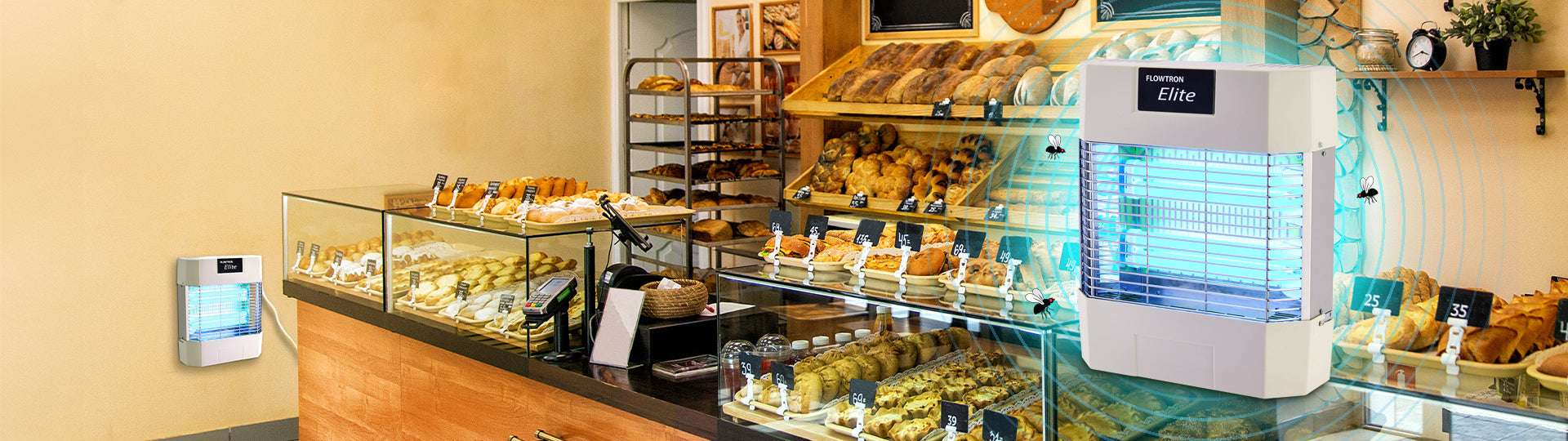
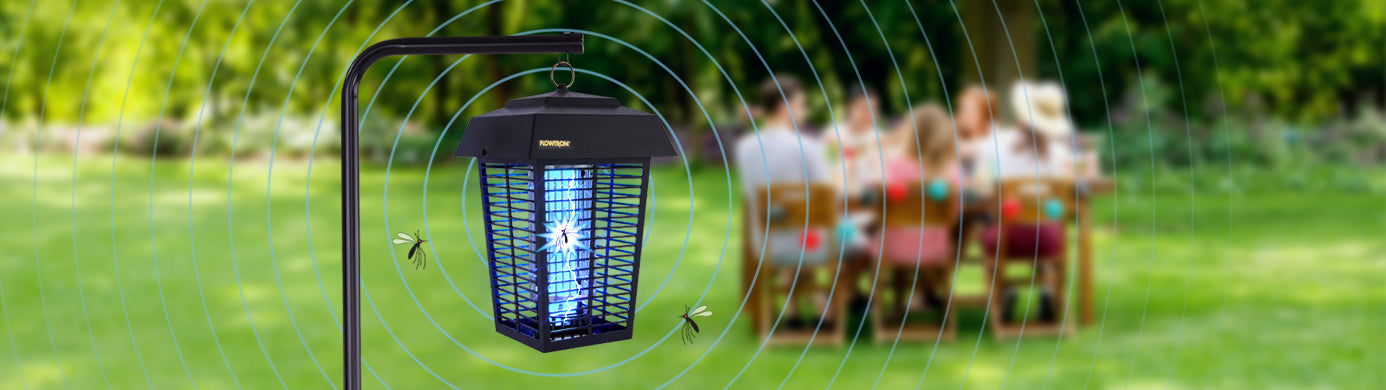
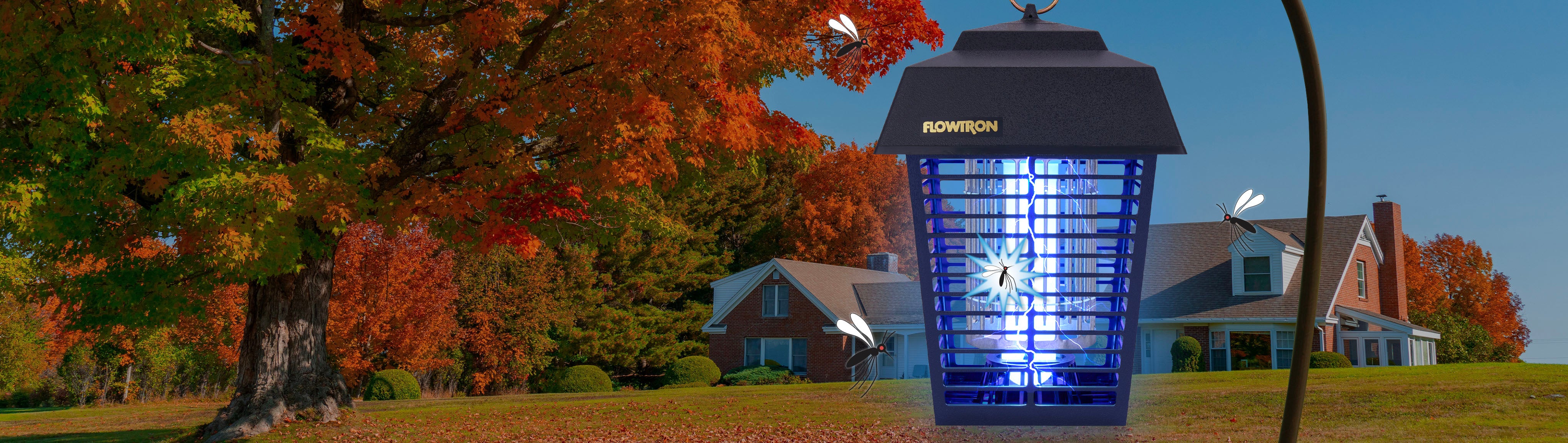
Flowtron electronic insect killers use UV light to draw in mosquitoes and other flying insects, then eliminate them on contact. There are no chemicals, no sprays, and no refilling a tank every few days. You plug it in, hang it up, and it runs quietly in the background all season.
Choosing the Right Coverage for Your Yard
The most common question is how much coverage you actually need. Here's a straightforward breakdown by yard size:
- Up to 1/2 acre: The Flowtron BK-15D is a solid choice for decks, patios, and smaller suburban lots. It's compact and easy to hang just about anywhere.
- Up to 1 acre: The Flowtron BK-40D is the most popular model for residential yards. It covers a full acre and is built to run through the entire outdoor season without issue.
- Up to 1.5 acres: The Flowtron BK-80D is the right step up for larger properties, especially those near ponds, wooded lots, or open fields where mosquito pressure tends to be heavier.
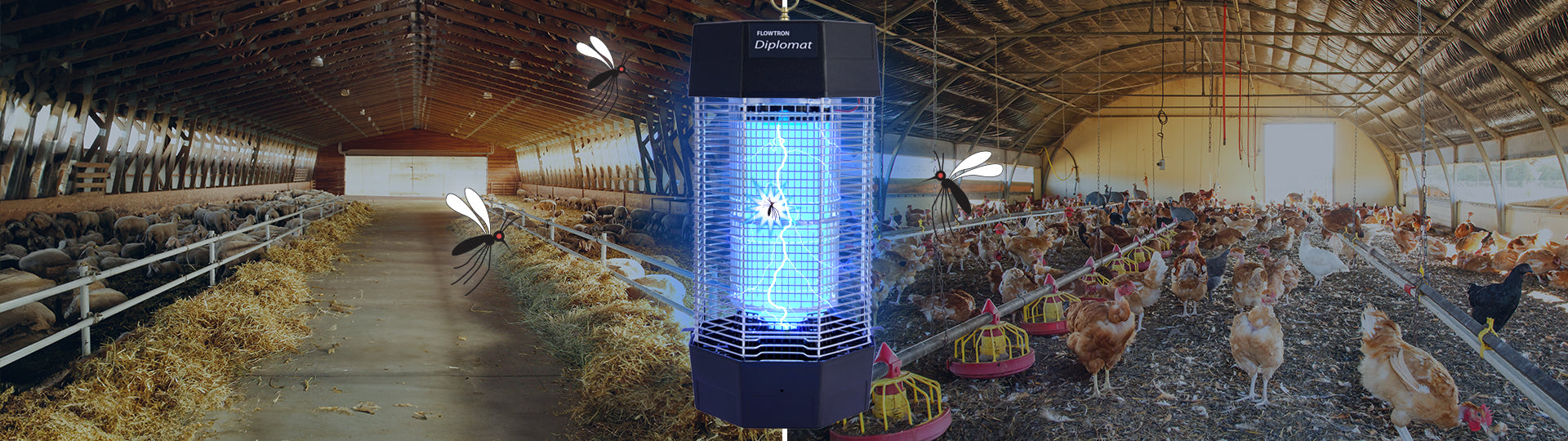
- Up to 2 acres: For large properties, farms, or commercial outdoor areas, the Flowtron Diplomat FC-8800 provides heavy-duty, wide-area coverage that residential models aren't built for.
Not sure which model fits your situation? Browse the full bug zapper collection to compare options and find the right match.
Step 3: Add a Mosquito Attractant to Boost Performance
This is something a lot of people skip, and it makes a bigger difference than you'd expect. Mosquitoes are not strongly drawn to UV light the way moths and other insects are. What actually pulls them in is carbon dioxide, body heat, and certain chemical compounds your skin produces.
Pairing your bug zapper with a Flowtron Mosquito Attractant Cartridge addresses exactly that. The cartridge slowly releases Octenol, a compound that mimics the CO2 and lactic acid signals mosquitoes use to locate a meal. It turns your zapper into a much more targeted mosquito trap rather than just a general flying insect killer.
If mosquitoes are your main concern, this is an easy upgrade that costs very little and noticeably improves results.
Where Should You Place a Bug Zapper in Your Yard?
Placement is one of the most overlooked parts of getting good results from a bug zapper. A few simple guidelines will help you get the most out of it.
Position it away from where people are sitting. Place the zapper on the edge of your activity area, not directly overhead or next to where guests are gathered. The goal is to pull insects toward the unit and away from people, so you want some distance between the two.
Hang it at the right height. Between 5 and 7 feet off the ground works best for most residential models. A hanging pole or mounting bracket gives you flexibility to find the ideal spot and adjust it as needed.
Point it toward the source. If your property backs up to woods, a pond, or an overgrown area, set up the zapper on that side of the yard. Position it to intercept insects on their way in rather than after they've already arrived.
Run it every evening. Bug zappers work best with consistent use during the peak activity window, typically from dusk through the first few hours of the night. Running it every night keeps pressure on the local mosquito population over time.
Bug Zapper vs. Citronella vs. Sprays: An Honest Comparison
There are plenty of mosquito control options on the market, and most people end up trying a few before figuring out what actually works for their yard. Here's a practical look at the most common ones.
Citronella candles and torches produce a smoke barrier that can repel mosquitoes in a very small area. The problem is that any breeze, even a light one, disperses the smoke quickly and the protection disappears. They work as a supplement but not as a primary solution.
DEET sprays and personal repellents do work, and they work well for short outdoor activities. The drawback is that you're reapplying every few hours, they wash off when you sweat, and they protect only your skin, not the surrounding space.
Electronic bug zappers provide continuous, area-wide protection without ongoing effort. Once installed, they run all season with no reapplication, no smoke, and no chemical exposure. They protect the space, not just the person.
In practice, the best results come from combining approaches: remove standing water to reduce breeding, run a bug zapper for perimeter control, and keep personal repellent on hand for longer stationary periods outdoors.
Get Your Bug Zapper Ready Before the Season Starts
If your zapper spent the winter in the garage or a storage shed, take a few minutes to check it over before you hang it back up. A little maintenance at the start of the season keeps it running at full strength all summer.
Here's what to check:
- Replace the UV bulb. UV bulbs lose effectiveness over time even if they still appear to glow. Swapping in a fresh bulb at the start of each season restores full attracting power. Find replacement UV bulbs for your specific model to get the right fit.
- Clean out the collection tray. Debris and residue from last season can build up in the tray. A quick clean with a dry brush takes care of it before you fire the unit back up.
- Inspect the power cord. Check for any cracking or wear, especially if the unit was stored in a damp space or left outside at the end of last season.
- Order any parts you need now. If something wore out or broke last season, get it sorted before the busy stretch hits. The accessories and parts collection has what you need to keep your unit running.
For a full maintenance walkthrough, take a look at our guide: How to Maintain Your Flowtron Bug Zapper for Maximum Efficiency.
Make This the Summer You Actually Use Your Backyard
A little work at the start of spring goes a long way. Clear out standing water, get the right zapper for your yard size, add a mosquito attractant, and you'll be in good shape for the season ahead.
Take a look at the Flowtron outdoor residential lineup to find the model that fits your property, or check the FAQ page if you have questions about coverage, placement, or which unit is right for you.
The season is short. Make it count.
Questions about setting up your Flowtron this spring? Head over to our Support page and we'll point you in the right direction.