

Anyone who’s planned more than a handful of outdoor weddings has watched the same thing happen. The ceremony goes off beautifully. Cocktail hour flows. Then somewhere around 7:30, the mosquitoes show up, and the evening starts to fray at the edges. Guests slap at their ankles during toasts. A bridesmaid quietly slips off to look for repellent. The photographer is batting gnats away from the lens instead of composing shots.
It’s the single most common complaint buried in post-event reviews for outdoor venues. Beautiful space, beautiful reception, mosquitoes were brutal. And for planners and venue owners, it’s one of the few issues that’s almost entirely avoidable with the right setup.
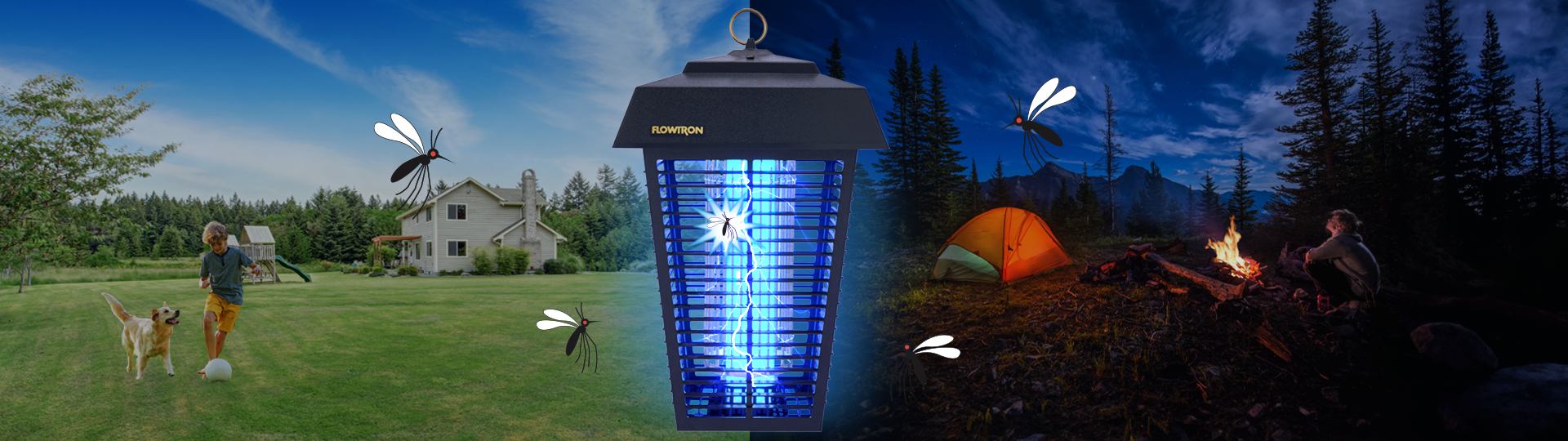
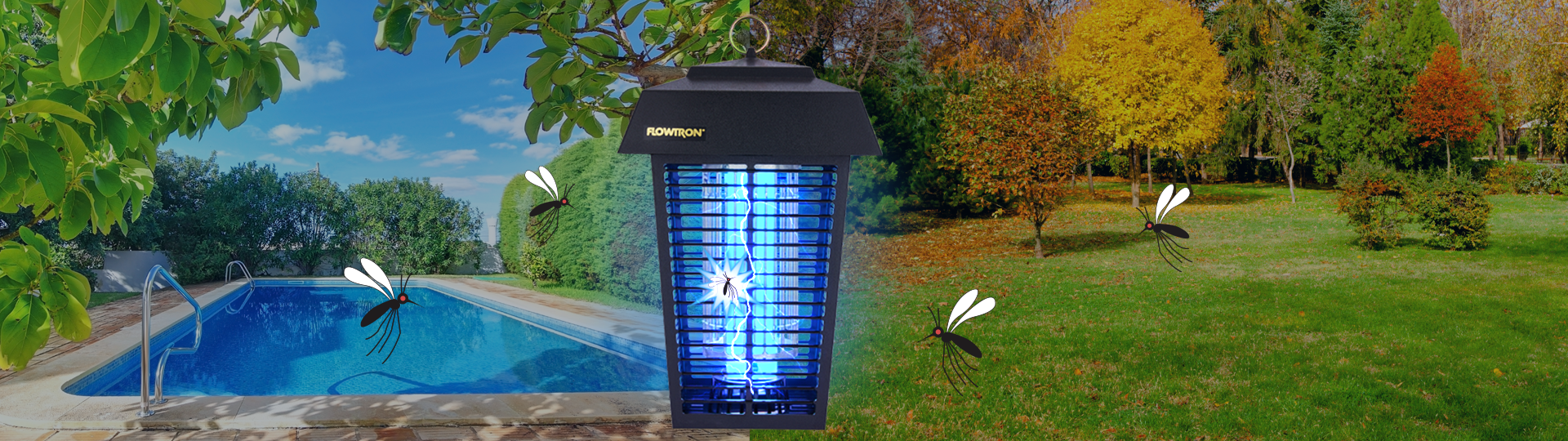
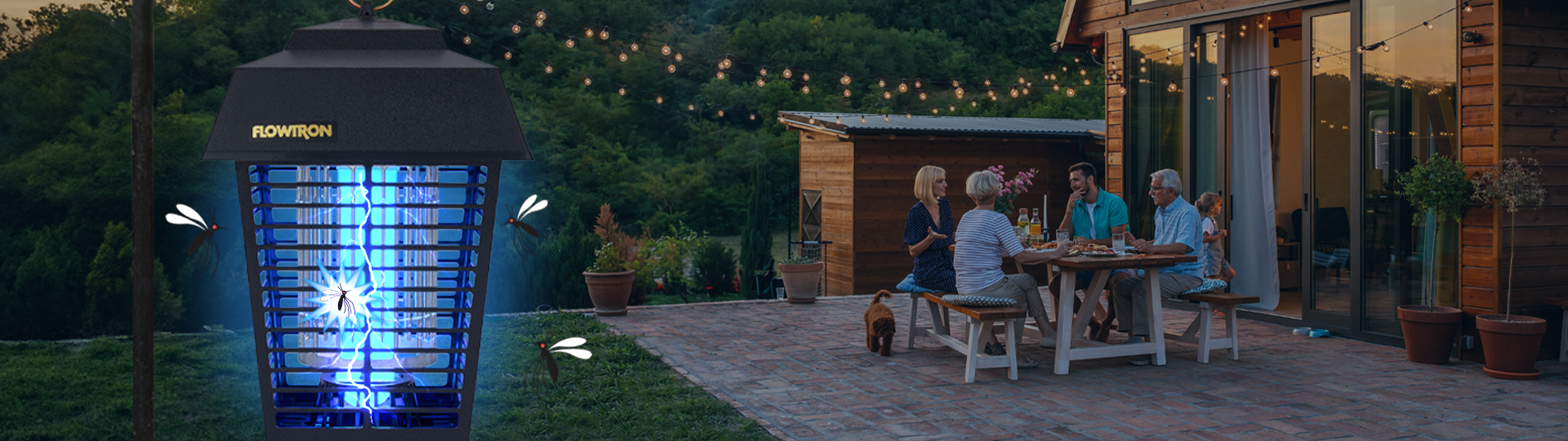
A properly sized, properly placed network of bug zappers does the job without chemicals, without smell, and without asking any guest to think about it. They run in the background all evening, which is about as close to invisible as pest control gets at a formal event.
Why outdoor events attract bugs the way they do
Everything about an outdoor wedding is attractive to flying insects, which is inconvenient, because every element is there on purpose. Floral arrangements sit in water. Ice buckets sweat. Fountains and decorative ponds are usually right where the guests gather. Mosquitoes home in on body heat and the CO₂ people exhale, so 120 warm bodies in one spot is basically a dinner bell. Warm, still evenings between about 5 and 10 PM line up perfectly with peak mosquito activity. Catered food and sweet drinks pull in gnats, fruit flies, and the occasional yellow jacket. The string lights and candles that look so good in the photos are the reason moths and midges show up at the reception.
A venue that photographs well at sunset often feels miserable by 7:30. Active bug control is what closes that gap.
Why the usual fixes don’t hold up
Most planners have tried the full menu. The issue isn’t that any of these methods are bad. It’s that none of them are built for a four-to-six-hour event with plated meals and open bar service.
Chemical foggers and sprays smell, need reapplication, and don’t mix well with food service or guests with sensitivities. Citronella candles look good on Pinterest but have a working radius of about four feet, and open flame near long dresses and linens is an underrated liability. DIY repellent baskets shift the work onto guests, which no bride wants at her own reception. Booking a pest control company for a day-of treatment helps for the first couple of hours, but mosquitoes drift back in from neighboring properties well before the sparklers come out.
A zapper network doesn’t replace the ambient fixes so much as fill the gap they leave. Citronella can still sit on the tables if you like how it looks. The zappers handle the actual work.
How many bug zappers does an outdoor wedding venue need?
The short answer is one high-output outdoor zapper per 3,000 to 4,000 square feet of active guest area. Surrounding vegetation matters. A venue ringed by woods or backed up to a pond will need more units than a manicured country club lawn of the same size.
For planning purposes, most weddings fall into three groups. Garden weddings under 75 guests are usually fine on one or two units. Mid-size receptions between 75 and 150 guests typically want two or three. Larger venues with separate ceremony, cocktail, and dining zones are better served by three to five, distributed per zone rather than clustered in one spot.
Properties that host weddings regularly (barns, vineyards, estates, country clubs, boutique event spaces) tend to do better with permanent installations around the ceremony lawn, cocktail area, and dining tent, plus a couple of portable units kept in reserve for the bar and dance floor.
Where to place bug zappers at a wedding venue
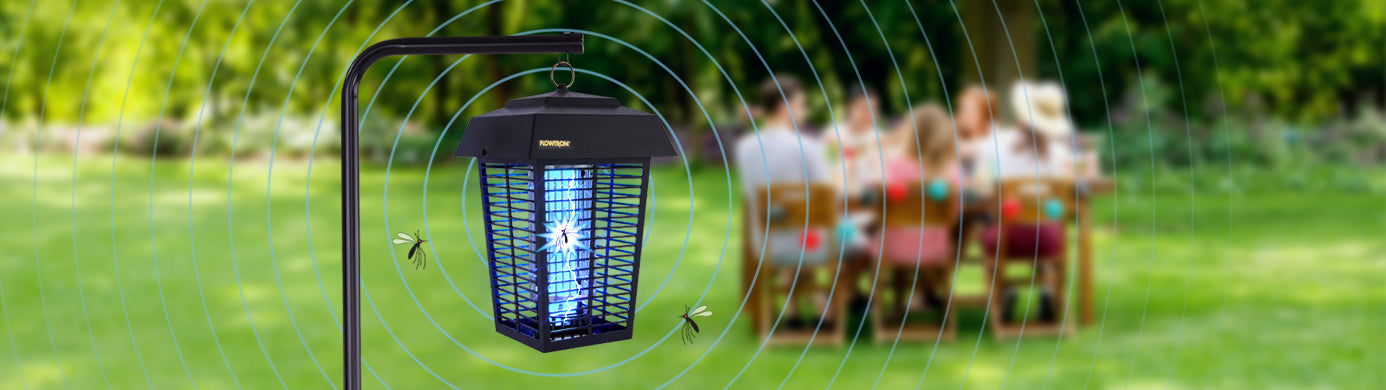
Placement is where most setups go wrong. Put a zapper too close to the guests and it pulls insects into the area you’re trying to protect. Put it too far out and it isn’t really pulling anything. The working distance is 15 to 25 feet from seating, food service, and the dance floor.
Mount height matters more than people expect. Five to seven feet off the ground puts the unit at roughly mosquito flight altitude and above the eyeline of most guests. Keep the zapper downwind of the main area so the breeze carries scent and CO₂ toward the trap instead of away from it. Switch everything on 30 to 60 minutes before guests arrive so the first wave of insects is already cleared by the time the first car pulls up the drive.
A few things to avoid. Don’t mount zappers next to florals, the cake, or the bar, because the light will compete with whatever the photographer is trying to do. Don’t hang them over walkways. And don’t bury them inside décor, because the unit works better when airflow around it is open.
Behind a hedge, on a shepherd’s hook along the property line, or on a low garden stake at the perimeter is usually about right.
Which Flowtron models work best for event venues
For heavy-pressure evening events, coverage comes first and aesthetics come second.
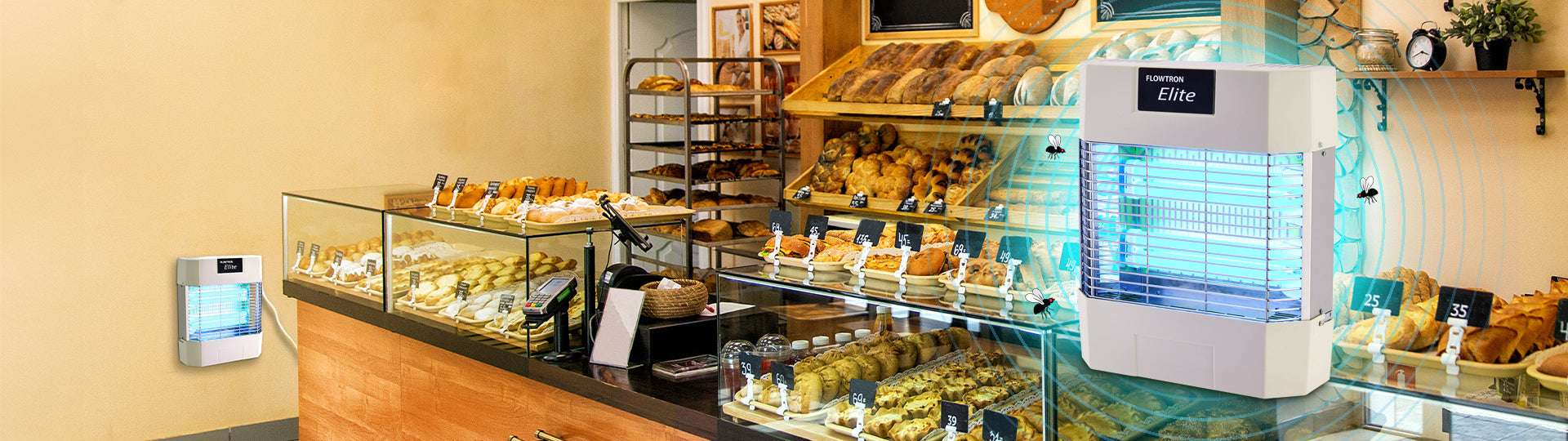
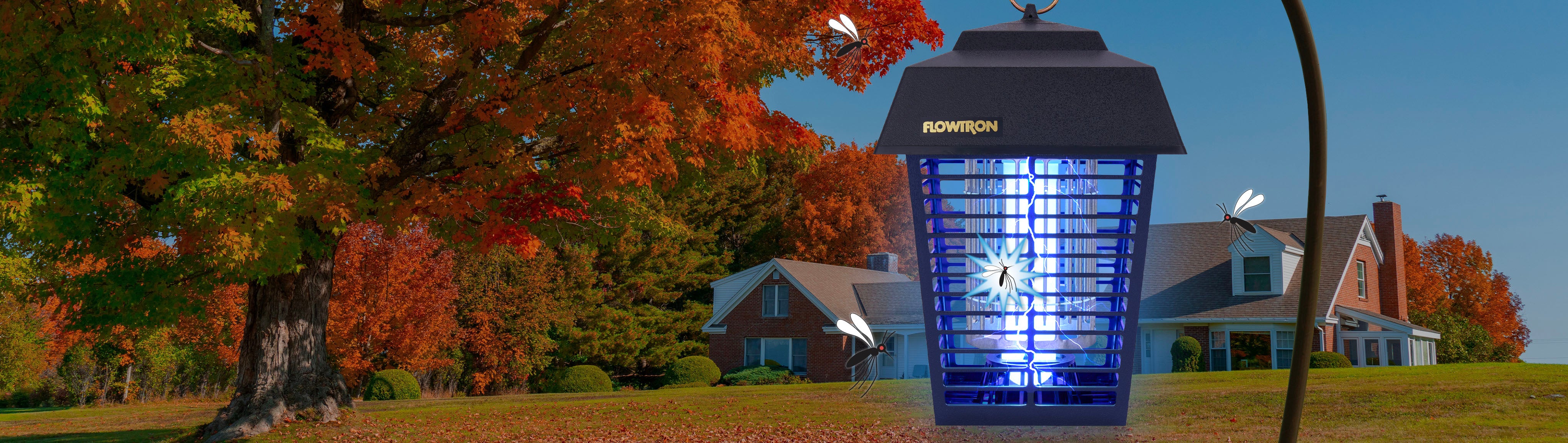
Flowtron’s high-output Electronic Insect Killers cover up to 1 to 1.5 acres per unit, which makes them the standard pick for estate weddings, vineyards, and larger farm venues. Standard outdoor units handle dinner tents and cocktail zones without overbuilding. The Next-Gen Bug Traps work well for closer-range coverage near the bar and dance floor, where you want something quieter and less visually prominent. Indoor-style units are the right fit inside tented receptions, catering tents, and restroom trailers, where they run without drawing attention from guests or staff.
Most venues that get this right use a mix of the three. Long-range units at the perimeter, mid-range units around the dining footprint, and closer-range traps near where guests actually cluster.
What planners get out of it beyond the obvious
The comfort side is obvious. Fewer bites, better photos, guests who aren’t thinking about bugs at all. The less obvious benefits are where this stops being a nice-to-have and starts being an investment.
Reviews improve. “Lovely venue, but the mosquitoes were awful” is the single most common knock in the five-star average for outdoor venues. Solve that problem and the average climbs. Repeat bookings go up too, because guest comfort is what drives the anniversary parties, vow renewals, and corporate retreats that fill out a venue’s slower months. Incident reports drop as well. Bee stings, wasp encounters, and biting fly reactions are the most common first-aid calls at outdoor weddings, and active bug control cuts into all three.
None of this shows up in a brochure. It shows up in the second year of operating the venue, when the numbers start to move.
What to add to the planning checklist
If you already run a day-of checklist, it probably covers linens, lighting, sound, florals, timing, and a rain plan. The venues that do this consistently well add one more line to it. Bug control infrastructure, up and running by 5 PM.
Get the zappers mounted. Switch them on early. Let them do the quiet work.
Frequently Asked Questions
Do bug zappers actually work at outdoor weddings?
Yes, provided they’re placed correctly. Keep them 15 to 25 feet from the guest area, mount them five to seven feet high, and switch them on at least 30 minutes before guests arrive. Under those conditions, a properly sized network keeps flying insects out of the active guest area for most of the evening.
Are bug zappers loud enough to bother guests during the ceremony?
At close range, modern Flowtron units produce a soft hum. At the 15-foot working distance, they’re essentially inaudible against music, conversation, and the usual ambient sound of an outdoor evening.
Can bug zappers be used inside a tented reception?
Yes. Flowtron makes indoor-specific units designed for tents and enclosed spaces. The usual setup runs indoor units inside the tent and keeps outdoor models working the perimeter.
How early should the zappers be running?
30 minutes before guests arrive at a minimum. An hour is better. The idea is to clear the first wave of insects before anyone is standing under the lights.
Don’t bug zappers attract more bugs than they kill?
That concern applies to zappers placed too close to guests, which does pull insects into the area you’re trying to protect. At the 15-to-25-foot working distance, the unit works as an outlet instead of a magnet.
Are they safe around food and drink service?
Yes, as long as they’re at least 10 feet from catering stations and the bar. Flowtron zappers use UV light and an electric grid. No chemicals, no residue, nothing that interacts with food.
How many zappers does a 150-guest wedding need?
Two or three high-output outdoor units in most cases, spread across the ceremony, cocktail, and dining zones. Heavily wooded properties or larger footprints usually want four or five.